
How does vaping work?
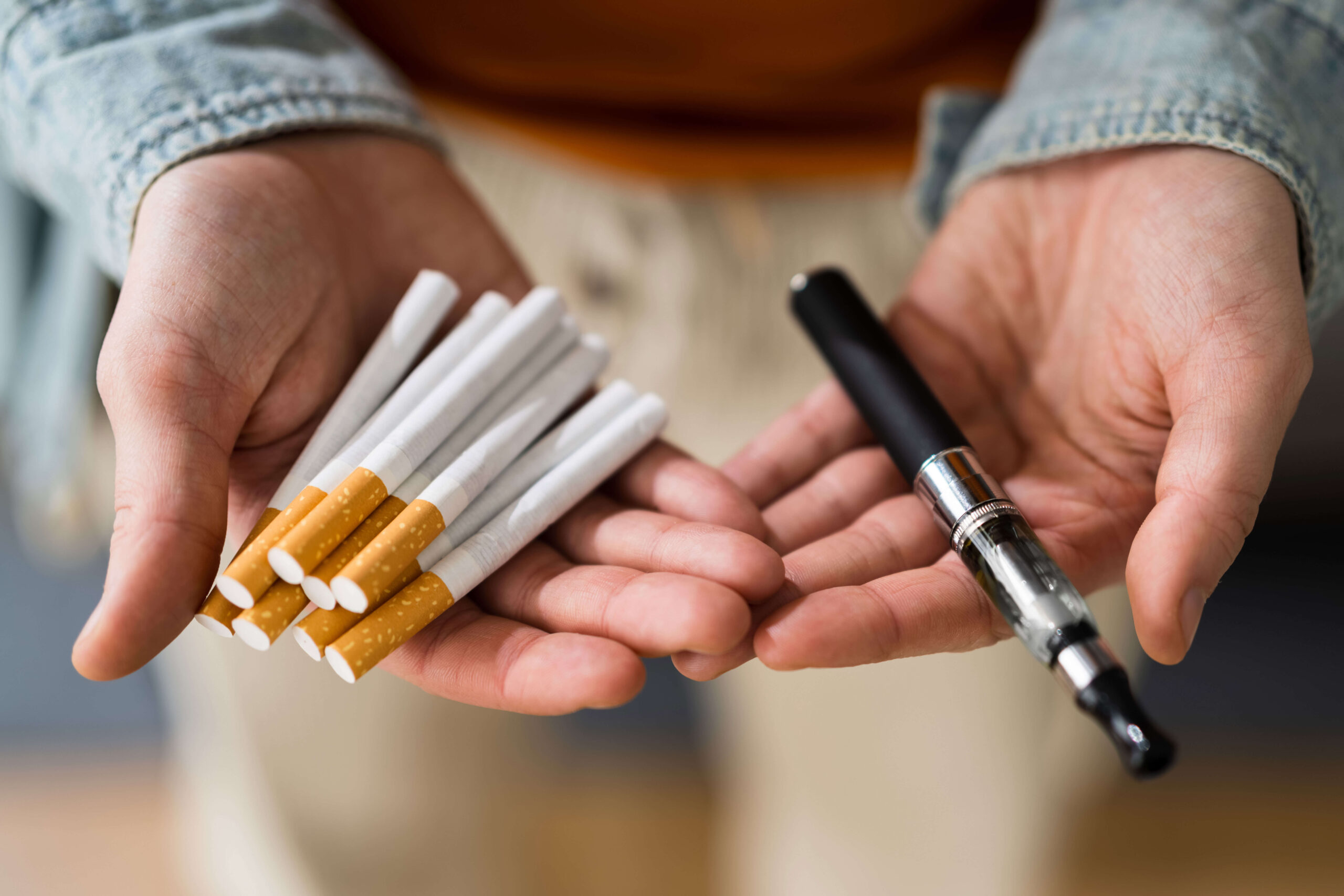
Vaping works by heating liquid in a small device so you can breathe it into your lungs. The e-cigarette, vape pen or other vaping device heats the liquid in the device to create an aerosol. This isn’t water vapor. Mist from e-cigarettes contains particles of nicotine, flavoring and other substances suspended in air. You breathe these particles into your mouth from the mouthpiece, where they go down your throat and into your lungs.
You’ve probably heard a lot about vaping lately. You might also know about the recent outbreak of lung injuries and deaths linked to vaping in the u. S. But those aren’t the only risks that come with vaping. Here’s what you need to know. Vaping devices, also known as e-cigarettes, vape pens, and e-hookahs among other terms, come in many shapes and sizes. Some look like traditional cigarettes, cigars, or pipes. Others are shaped like every-day objects, such as pens or usb memory sticks. While they may look different, most vaping devices work in a similar way. Puffing activates a battery-powered heating device.
What is the difference between vaping and smoking cigarettes?
If you have thought about trying to kick a smoking habit, you’re not alone. Nearly 7 of 10 smokers say they want to stop. Quitting smoking is one of the best things you can do for your health — smoking harms nearly every organ in your body, including your heart. Nearly one-third of deaths from heart disease are the result of smoking and secondhand smoke. You might be tempted to turn to electronic cigarettes (e-cigarettes, vape pens, and other nondisposable and disposable vaping devices) as a way to ease the transition from traditional cigarettes to not smoking at all.
Using an e-cigarette is sometimes called vaping, from the word vapor. E-cigarettes are battery-operated devices that heat liquid to release an aerosol (vapor) inhaled by the user. The liquid can contain propylene glycol, nicotine, flavorings and other substances. E-cig makers and supporters claim they provide a healthier alternative to smoking. Many users think they are an acceptable way to use nicotine where smoking isn’t allowed.
Vapes are being promoted as a safe alternative to smoking. Since vapes don't have tobacco in them, they aren't burnt like cigarettes. Vaping may be less harmful than cigarettes, but less harmful doesn't mean free of harm or safe! there are still risks associated with using vapes. Most vaping products contain nicotine. Anyone can develop a physical dependence to nicotine. This means the body gets used to the amount of nicotine and can experience withdrawal symptoms when they stop using it. In teens, vaping nicotine can: affect brain development, learning, memory, attention, concentration, and behaviour worsen symptoms of depression and anxiety lead to prolonged use or a transition to cigarettes (which contain tobacco) and associated with negative health impacts.